Tesla is already selling autonomous rides. Not in the gold two-seater. In a Model Y it calls Robotaxi. The purpose-built Cybercab is in production at Gigafactory Texas. Tesla still will not put a sticker on it.
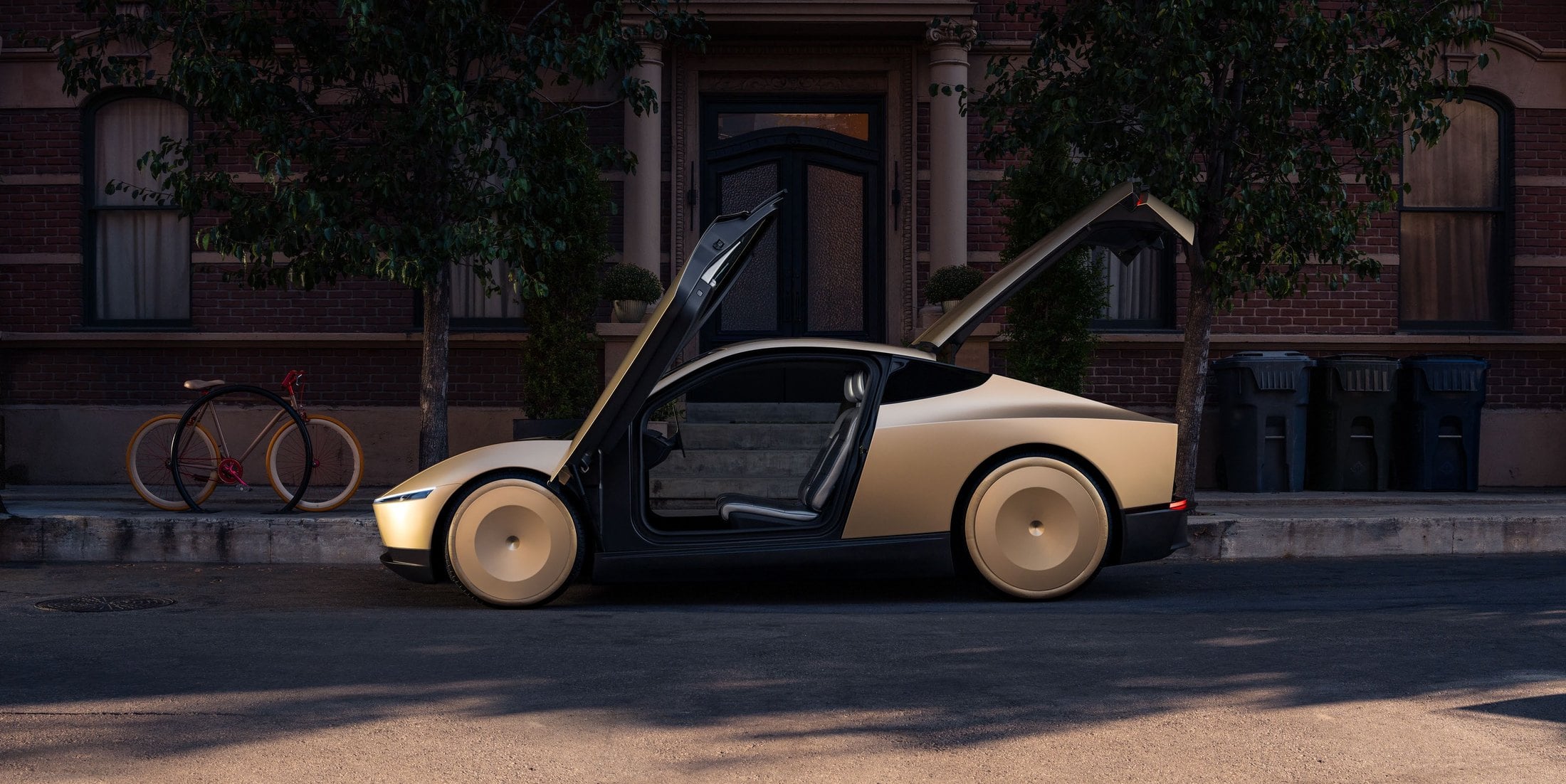
The rides are a Model Y
Tesla’s own Robotaxi page is blunt. “We’re bringing autonomous rides to you today—starting with Model Y.” The cities it names today: Miami, Orlando, and Tampa in Florida. Austin, Dallas, and Houston in Texas. Download the Robotaxi app. Take a ride. Cybercab, “our purpose-built fully autonomous vehicle, will offer rides in your area in the future.”
The Q2 2026 shareholder update, filed as Exhibit 99.1 and dated for the July 22 webcast, says the U.S. rollout is live in seven major metros. Same Texas and Florida cities, plus the San Francisco Bay Area. The Bay Area sits on a safety driver under California TCP permit TCP0046782-A. Tesla does not list the Bay Area on tesla.com/robotaxi. Phoenix and Las Vegas are “preparations underway.” Nothing else.
Unsupervised rides: Tesla expanded the Austin geofence and launched Miami, Orlando, and Tampa in July. Dallas and Houston are “ramping unsupervised.” The Florida launches are also July, after the quarter closed. Tesla’s words, not a blog recap.
The first-responder plan is equally clear. “All Robotaxi vehicles are owned and operated by Tesla at this time.” This is Tesla’s fleet. Not yours. Not a rental. A ride-hail service Tesla is running on Model Y until Cybercab shows up.
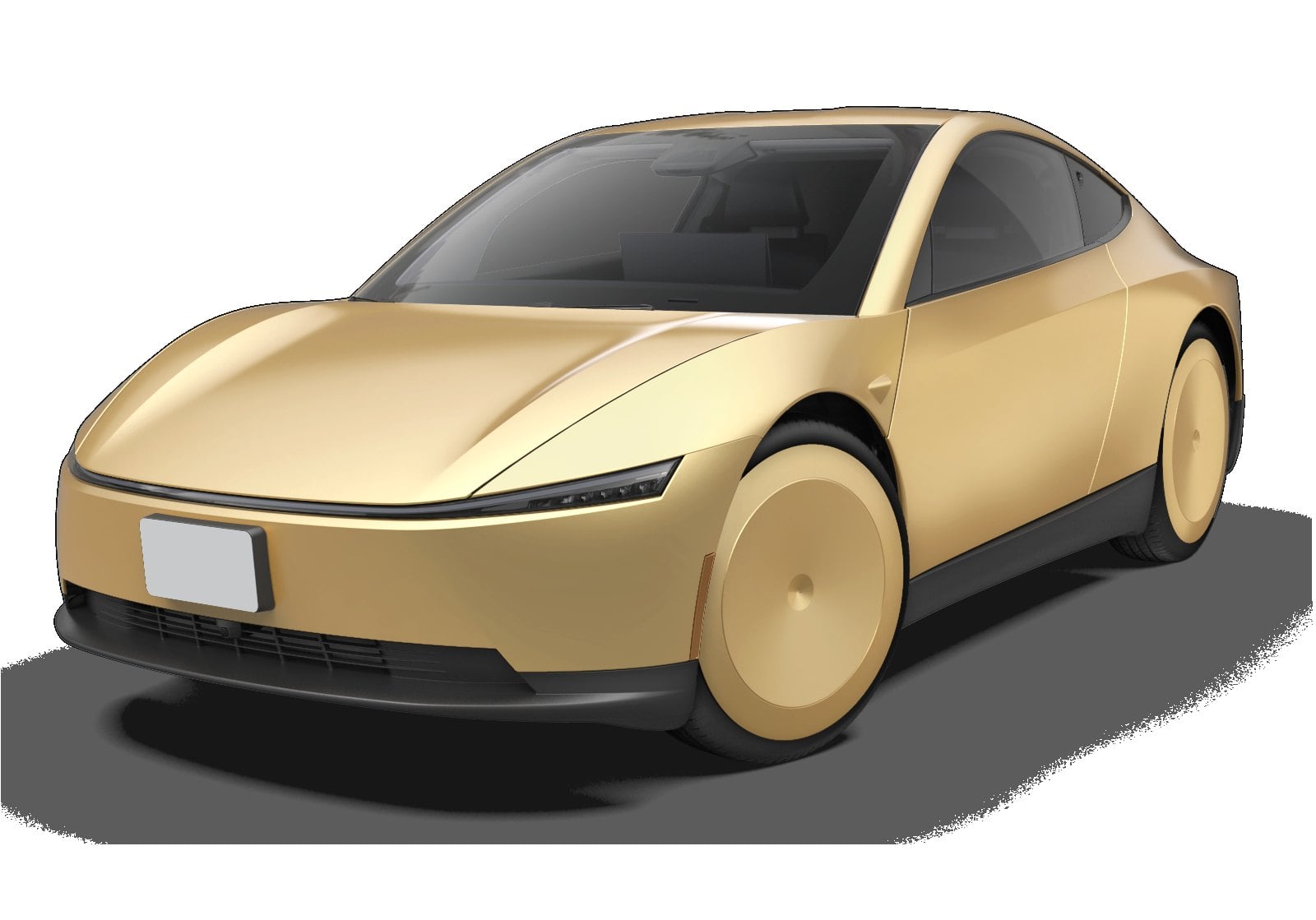
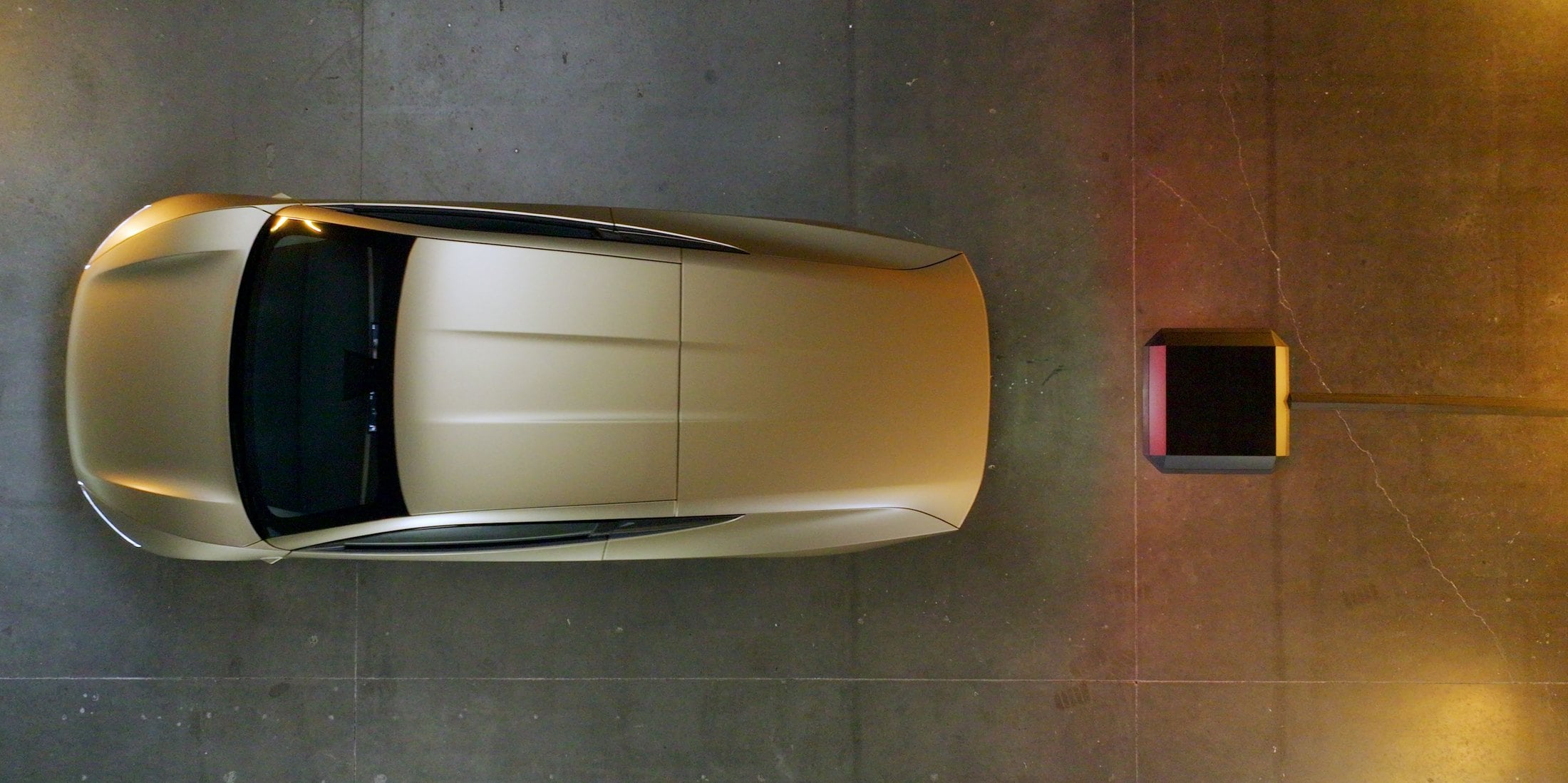
The gold car has no wheel
Cybercab is the other machine. Tesla unveiled it at We, Robot on October 10, 2024. The Q3 2024 update: designed from the ground up for autonomy, “without a steering wheel or pedals.” Two-seater. Next-generation platform. Estimated 5.5 mi/kWh. Tesla called that its most efficient powertrain yet.
The July 16, 2026 First Responder Interaction Plan is how Tesla tells cops to spot one. Gold. Distinct light bars. Unique form factor. Large wheel covers. Cameras on the front fender. No side mirrors. Doors open from a button on the B-pillar. Two seats. “Not typically equipped with a steering wheel or acceleration and brake pedals.” Landscape touchscreen in the center. No glovebox. When one is in Robotaxi service, the Cybercab wordmark goes on the sides and the trunk lid.
“Typically.” Tesla wrote it that way. Some cars may get a wheel for moving them. The typical Cybercab does not.
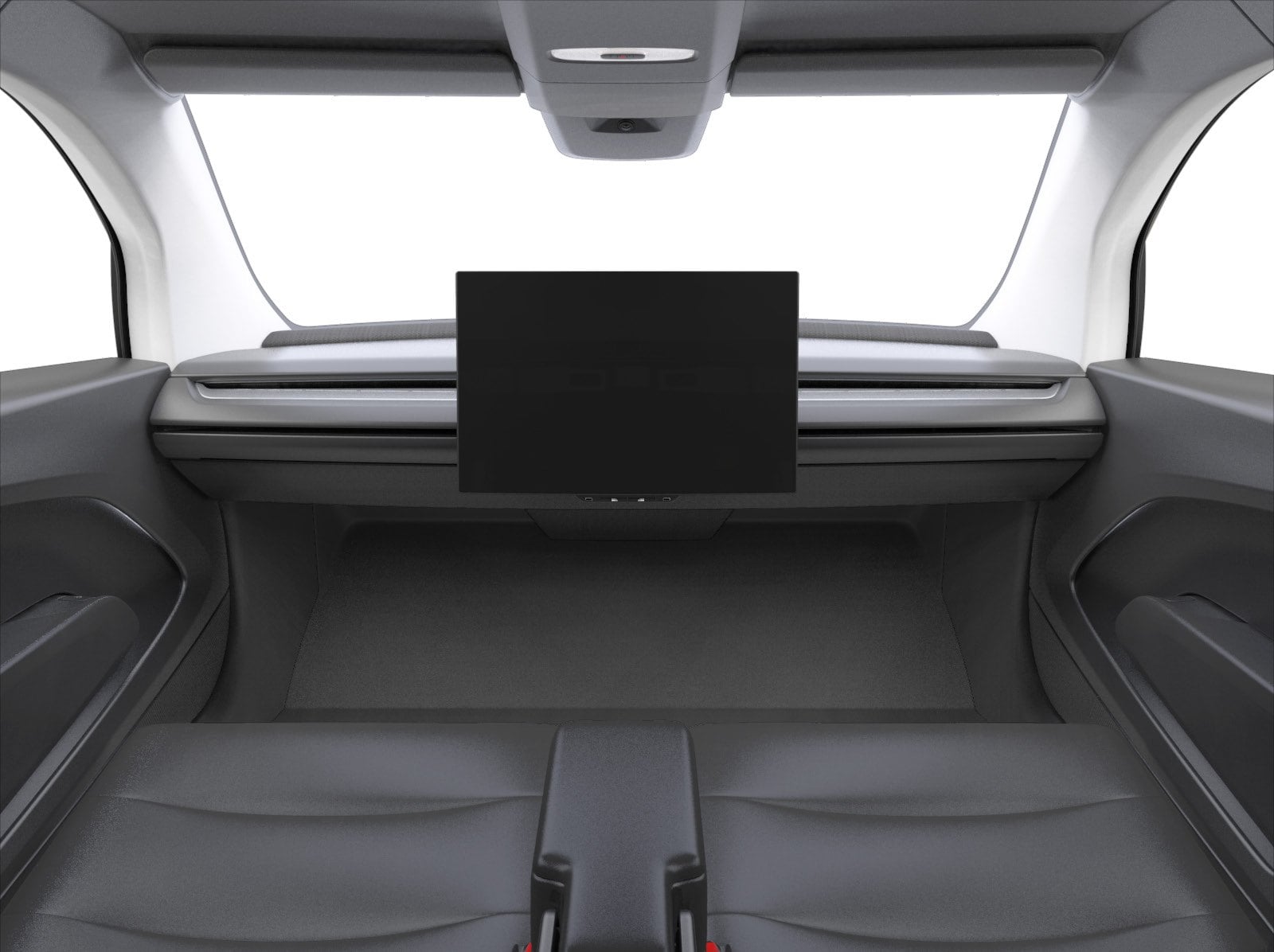
Production started. Public fares did not.
Q2 2026: “Cybercab began production at Gigafactory Texas.” Tesla lists installed annual capacity above 125,000 and marks the line “Production.” Tesla’s own footnote sits under the table: installed capacity is not current production rate. Battery packs are “the main limiting factor to near-term vehicle production volume increase.” They are raising 4680 output to support Cybercab and Semi.
Engineering test drives of production Cybercabs on public roads began in the quarter. Employee rides on the Gigafactory Texas campus began in July. Tesla called both “important precursors to Cybercab deployment in our Robotaxi fleets.” Precursors. Not a public fare. tesla.com/robotaxi still says the gold car will offer rides “in the future.”
The Q2 outlook names Tesla Semi and Megapack 3 as remaining on schedule for production in 2026. It does not repeat that sentence for Cybercab. The car is in production. The sticker is not.
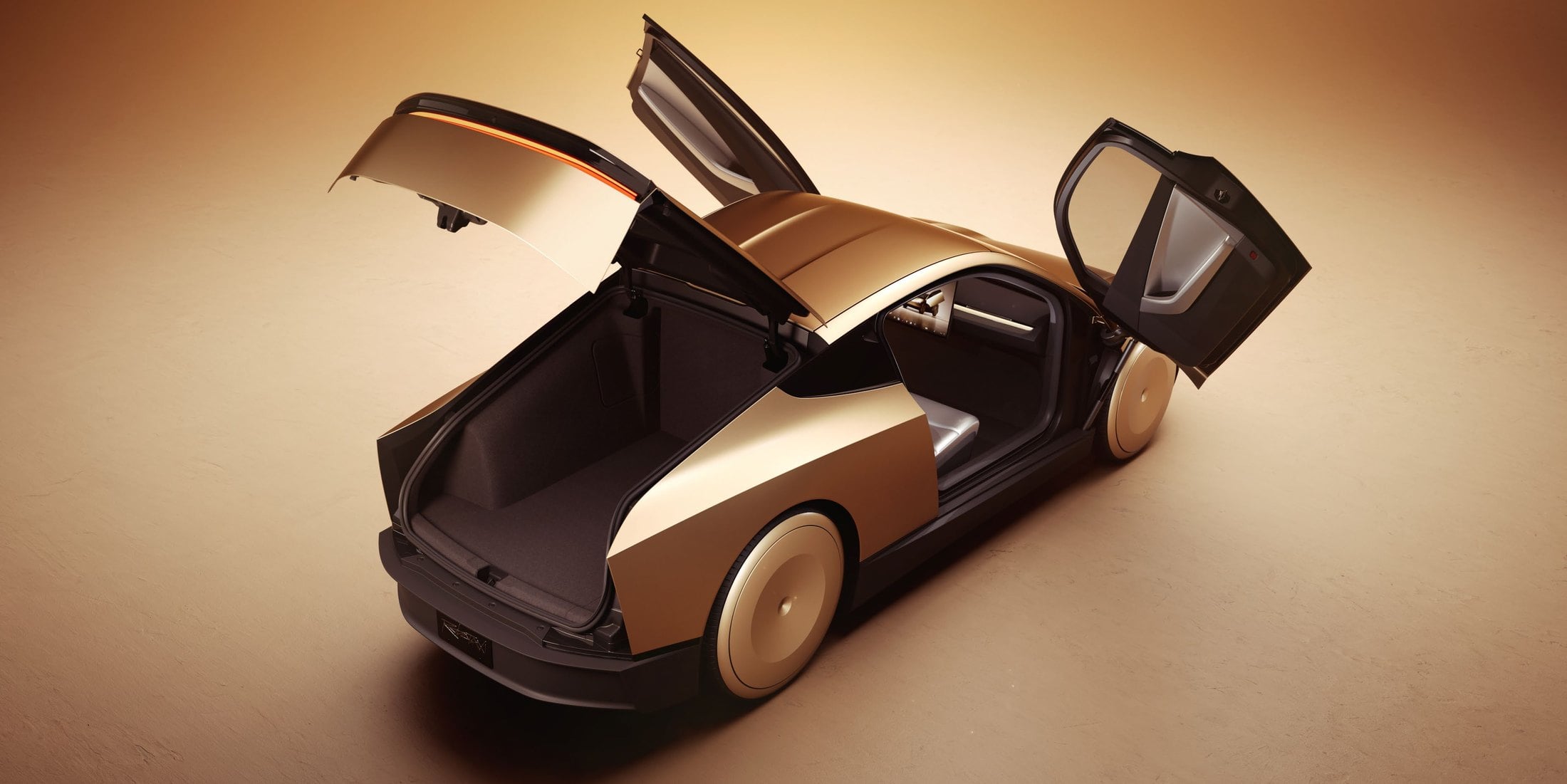
Europe gets a static display. Tesla’s events page: Paris, London, Berlin, Stockholm, Oslo, Amsterdam. “This is the Future of Autonomy.” See it. Do not hail it.
What Tesla actually published
- Robotaxi today: Tesla-owned Model Y ride-hail. tesla.com/robotaxi names Miami, Orlando, Tampa, Austin, Dallas, Houston. App on iOS and Android.
- Q2 2026 IR: seven U.S. metros. Bay Area on a safety driver (CA TCP # TCP0046782-A). Phoenix and Las Vegas in preparations. Unsupervised ramping in Texas and, as of July, Florida.
- Cybercab: purpose-built two-seater. No typical steering wheel or pedals. Gold. No side mirrors. B-pillar door button. Front-fender cameras. Landscape screen. No glovebox.
- We, Robot / Q3 2024: unveiled October 10, 2024. Designed from the ground up for autonomy. Estimated 5.5 mi/kWh. Long-term goal: cost per mile below rideshare, personal ownership, and public transit. That is a goal. Not a fare table.
- Production: began Q2 2026 at Gigafactory Texas. Installed annual capacity listed above 125,000. Tesla’s footnote: that is not the current rate.
- Public Cybercab rides: not on tesla.com/robotaxi. Employee campus rides and public-road engineering tests only, per the Q2 update.
- Fleet: all Robotaxi vehicles owned and operated by Tesla at this time, per the July 16, 2026 first-responder plan.
- Accessibility (Robotaxi page): space for service animals; room to store some wheelchairs and other assistive devices. Tesla app in 29 languages.
- U.S. sticker, MSRP, horsepower, EPA range, published fare table: Tesla has not printed them on tesla.com or in the Q2 2026 update.
They are selling the ride in a Model Y. They are building the gold coupe with no wheel. They still will not price it.
Sources: Tesla, tesla.com/robotaxi, accessed August 20, 2026. Tesla, Q2 2026 Update, Exhibit 99.1, SEC filing 0001628280-26-049213, webcast July 22, 2026. Tesla, Q3 2024 Update, digitalassets.tesla.com, October 23, 2024 (We, Robot, October 10, 2024). Tesla, Cybercab First Responder Interaction Plan, Version 1.1, July 16, 2026, digitalassets.tesla.com. Tesla, tesla.com/firstresponders/robotaxi. Tesla, tesla.com/events/meet-cybercab-europe. Official photos from Tesla’s Q3 2024 update and the July 2026 first-responder plan. No U.S. sticker. No published fare table.
Leave a Reply